Understanding Lymphedema
What Is Lymphedema?
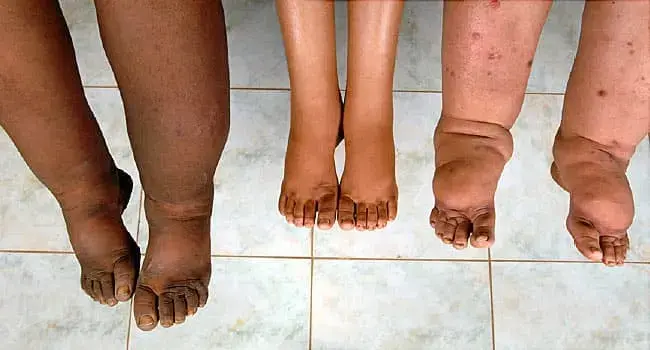
Lymphedema is a chronic condition where lymph fluid accumulates in the body's tissues, causing swelling in a particular area. Lymph fluid moves throughout the body through an intricate system of vessels, lymph nodes, and organs. When the lymphatic system is damaged or blocked, lymph fluid cannot drain properly causing swelling. Lymphedema most commonly affects the arms and legs, but it can also occur in other areas of the body. Lymphedema-related swelling can cause a feeling of heaviness, tightness, or fullness in the affected area. Over time, it can also contribute to skin changes. Not all swelling is caused by lymphedema. Swelling can also occur because of injury, infection, blood clots, heart conditions, kidney disease, or vein problems. A healthcare professional should evaluate persistent or unexplained swelling (Mayo Clinic, 2026).
Schedule your new client visit here
Causes of Lymphedema
There are two forms of lymphedema: primary and secondary.Primary lymphedema is associated with abnormalities in the development or function of the lymphatic system and may be genetic. Symptoms can be present at birth or develop later in life. Secondary lymphedema occurs when another condition, medical treatment, injury, or other factors damage or impair the lymphatic system. Cancer treatment is one of the more common causes of secondary lymphedema, particularly when lymph nodes are removed or affected by radiation therapy. It is important to note that not everyone who has had breast cancer or lymph node removal develops lymphedema (Mayo Clinic, 2026).
Several causes and contributing factors of lymphedema include:
Breast cancer surgery: Breast cancer surgery may involve removing lymph nodes under the arms or disrupting nearby lymphatic vessels. This can interfere with normal lymphatic drainage and increase the risk of developing lymphedema.
Radiation therapy: Radiation therapy may cause inflammation and scarring that can damage lymph nodes or lymphatic vessels, affecting normal lymphatic circulation.Trauma or surgery: The lymphatic system is a network of vessels that runs throughout the body, including near the surface of the skin and deeper tissues. Trauma or surgery may damage lymphatic vessels and affect their ability to transport fluid.
Infection: Certain infections can damage lymphatic structures and interfere with normal lymphatic drainage.Cancer or tumors: Tumors can sometimes block lymphatic vessels or lymph nodes, preventing lymph fluid from draining properly (Mayo Clinic, 2026).
Obesity: Having obesity can increase the risk of lymphedema. Excess fat tissue may place additional stress on the lymphatic system and can be associated with impaired lymphatic function.
Heart and kidney conditions: Conditions such as congestive heart failure and kidney disease can cause fluid retention and swelling. However, this type of swelling is not necessarily lymphedema. Because several medical conditions can cause edema, it is important to determine the underlying cause of swelling before beginning treatment (Mayo Clinic, 2026).
Blood vessel issues: Problems with the venous or vascular system can also contribute to swelling. Venous insufficiency and lymphedema are different conditions, although they can sometimes occur together.
Common Symptoms
Swelling is one of the most noticeable symptoms of lymphedema. Symptoms may develop gradually, and in some cases, lymphedema may not become apparent until months or even years after an injury, surgery, or cancer treatment. Common symptoms include:
- Legs or arms appearing different in size
- A feeling of heaviness, tightness, or fullness in the affected area
- Skin that becomes thicker or firmer
- Limited movement or stiffness
- Swelling in part or all of an arm or leg, including the fingers or toes
- Skin changes or an increased risk of skin infections
Stages of Lymphedema
Lymphedema is commonly described in stages based on the amount of swelling and the changes occurring within the tissues.
Stage 0: The lymphatic system is impaired, but there may be no visible swelling. The affected area may feel heavy, tight, or different, even though no external signs of swelling are present.
Stage I: Swelling is present and may improve with elevation or other measures. The tissue is generally soft, and the swelling may fluctuate.
Stage II: The affected area is persistently swollen and does not completely resolve with elevation. The tissue may begin to feel firmer as changes develop within the tissues.
Stage III: The affected area has significant swelling accompanied by more pronounced changes to the skin and underlying tissues. Skin may become thickened, hardened, or altered in texture.Early identification and appropriate management can help individuals better manage symptoms and maintain function.
How Is Lymphedema Managed?
Treatment and management of lymphedema may include several different therapies and lifestyle strategies. Depending on the individual's needs, treatment may include compression, manual lymphatic drainage, exercise or physical therapy, skin care, and education for long-term self-management.
Compression Therapy
Compression garments, wraps, and sequential pneumatic compression devices may be used as part of lymphedema management. Compression applies graded pressure to help limit fluid accumulation and support the movement of fluid away from tissues. Compression levels and garment types vary depending on the individual and their condition. Having specialized garments properly fitted by an experienced healthcare professional is important for appropriate management
Pneumatic Compression / BallancerPro
These compression devices use sequential pressure to inflate and deflate the garment in specific directions, starting from the hands or feet and moving inward toward the trunk of the body. This specialized technique stimulates lymphatic flow and mimics manual lymphatic drainage therapy to reduce congestion and fluid accumulation. These sessions can range from 10 minutes to 60 minutes.
Lymphatic Drainage
Manual lymphatic drainage (MLD) is a specialized, gentle technique used to support lymphatic fluid movement. MLD can be incorporated into Complete Decongestive Therapy (CDT), a comprehensive approach to managing lymphedema that may also include compression, exercise, skin care, and education. MLD techniques are individualized based on the person's condition. Treatment may involve preparing and clearing areas of the lymphatic system before directing fluid toward functioning lymphatic pathways
Diet
Nutrition can play a role in overall health and can be an important part of managing factors that contribute to swelling. A balanced diet, proper hydration, and maintaining a healthy weight can support overall wellness. There is no specific diet that cures lymphedema. However, focusing on balanced nutrition, sodium intake, and consistent hydration may support overall health and fluid balance.
Exercise
Movement and exercise are important components of lymphedema management. The lymphatic system relies on several mechanisms to move fluid, including contractions of lymphatic vessels and the movement of surrounding muscles. Exercise should be individualized according to a person's condition and treatment plan.
Our Approach at Cohesive Therapy
Our lymphatic work is based on the Gepina Method, a three-pillar approach: the lymphatic system, the fascial system, and the nervous system. Our comprehensive care focuses on multiple body systems to provide thorough, individualized treatments. We integrate Eastern and Western modalities, along with advanced compression therapy, to work with superficial and deeper lymphatic structures while considering the body's overall tissue environment and individual needs.
The fascial system is an extensive network of connective tissue throughout the body. It surrounds and supports muscles, organs, nerves, blood vessels, and other structures and plays an important role in movement and mobility.
The nervous system is the body's master communication and control network. During a treatment, our goal is also to create an environment that supports relaxation. Gentle, rhythmic touch and a calm treatment setting may encourage the body to shift toward a more relaxed, parasympathetic state. Our team is highly trained in our specialized modalities and approaches each client individually.
During your initial visit, we assess your needs and develop a personalized treatment approach based on your goals, history, and needs. Our goal is to provide an all-inclusive therapy experience while also giving clients education and tools they can use to support their wellness outside of our center. We aim to support your healing journey while helping you better understand your body and lymphatic system.
Schedule your new client visit here
Interested in the BallancerPro? Book your session here
Real client photos: Instagram
Next Steps After Your Diagnosis
Receiving a lymphedema diagnosis can feel overwhelming, but understanding your condition is an important first step toward effective management. Your next steps may include working with your healthcare provider and, when appropriate, a qualified lymphedema therapist to develop an individualized plan. This may include compression, manual lymphatic drainage, exercise, skin care, education, and other therapies based on your specific needs. If you experience new or unexplained swelling, seek medical evaluation rather than assuming it is lymphedema. Other conditions can cause similar symptoms. If you already have lymphedema and experience a sudden increase in swelling, redness, skin-color changes, warmth, or fever, contact your healthcare provider promptly, as these can be signs of infection (Mayo Clinic, 2026).
At Cohesive Therapy, we believe education is an important part of care. Our goal is to help you understand your lymphatic system, understand your options, and feel more empowered throughout your wellness and healing journey.
References
Cleveland Clinic. (2026). Lymphedema: Symptoms, causes & treatment. https://my.clevelandclinic.org/health/diseases/8353-lymphedemaCleveland Clinic. (2026).
Lymphatic drainage massage: What it is & benefits. https://my.clevelandclinic.org/health/treatments/21768-lymphatic-drainage-massageMacmillan Cancer Support. (2026).
Compression treatment for lymphoedema. https://www.macmillan.org.uk/cancer-information-and-support/impacts-of-cancer/lymphoedema/compression-to-treat-lymphoedema
Mayo Clinic. (2026). Lymphedema: Symptoms and causes. https://www.mayoclinic.org/diseases-conditions/lymphedema/symptoms-causes/syc-20374682
University of Miami Health System. (n.d.). Nutrition for lymphedema. https://umiamihealth.org/en/sylvester-comprehensive-cancer-center/patients-,-a-,-families/patient-educational-materials/nutrition-for-lymphedema
Gepina Caterina
Contact Me

.jpg)
