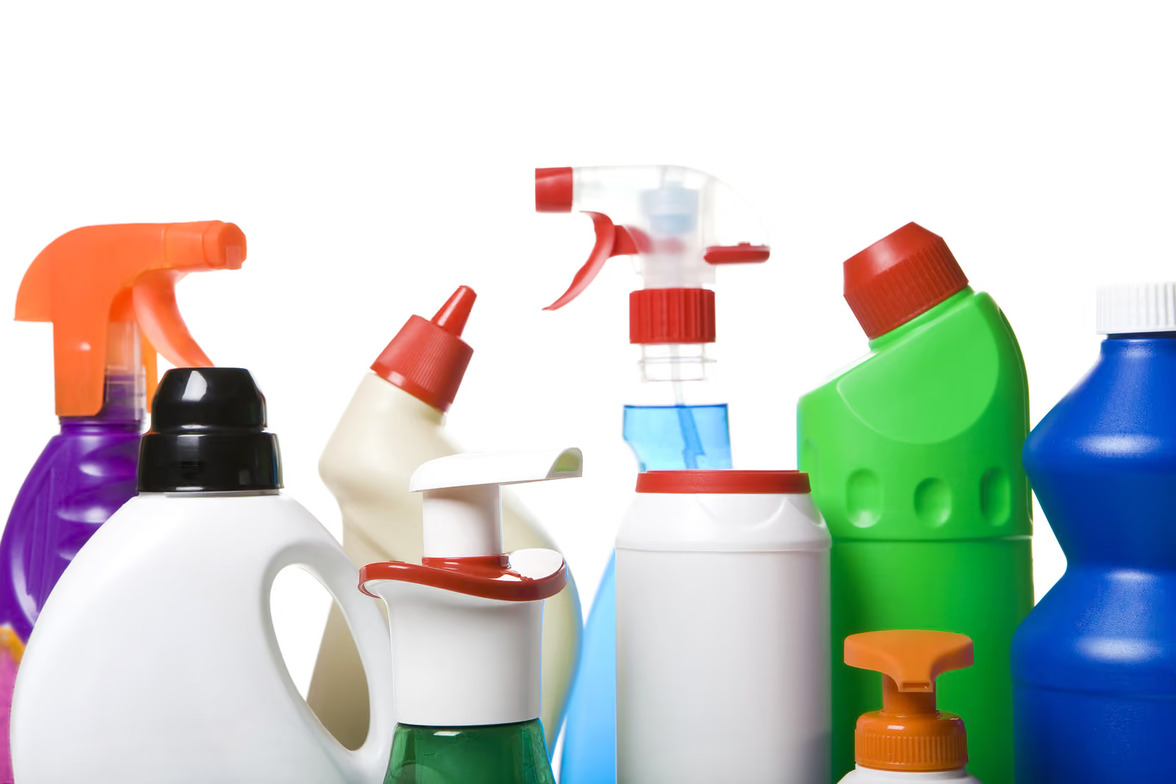
Hormones help regulate nearly every major system in the body, including metabolism, reproduction, growth, immune function, and inflammation. Endocrine-disrupting chemicals (EDCs) are substances that can interfere with normal hormone signaling. They can be found in a variety of everyday products and environmental sources, including some cosmetics, personal-care products, pesticides, plastics, and other consumer products. So, what does this have to do with your lymphatic system?
The lymphatic system plays a key role in immune surveillance, inflammation, fluid balance, and moving immune cells throughout the body. Because the endocrine and immune systems are closely connected, changes in hormone signaling can also influence immune and inflammatory processes that interact with lymphatic function. Research has found that some endocrine-disrupting chemicals can affect immune-cell activity and inflammatory signaling.
Who is affected?
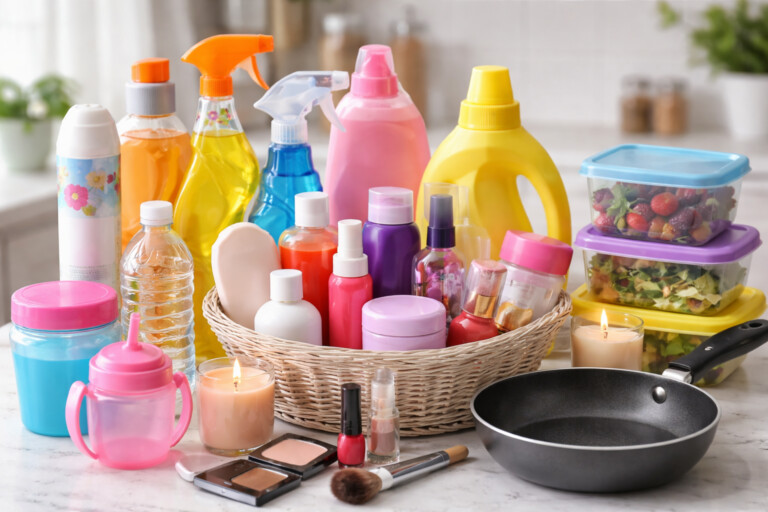
Everyone can be exposed to endocrine-disrupting chemicals, but certain life stages may be more sensitive. Developing babies, children, and adolescents are of particular concern because hormones play such an important role in growth and development. Exposure during pregnancy and early life is an area of ongoing research. Adults are exposed as well, and research has associated endocrine-disrupting chemicals with a range of hormone-related, metabolic, reproductive, and immune effects.
Why does this matter for lymphatic health?
Your lymphatic system is constantly working to maintain fluid balance and support immune function. When the body is dealing with ongoing inflammatory or hormonal stress, the systems that regulate these processes are working together; the lymphatic system is part of that network. Supporting lymphatic health isn't about “detoxing” every chemical from the body. The focus should be on supporting the body's natural systems. Regular movement, adequate hydration, healthy nutrition, sleep, and appropriate lymphatic care can all be complementary practices.
Reducing unnecessary exposure to endocrine-disrupting chemicals is another practical piece of the bigger picture. We can't eliminate every environmental exposure, but becoming more aware of what we use on our bodies, in our homes, and around our food can help us make informed choices. Small swaps can make a difference. You don't need to replace everything in your home at once.
Start with the products you use most often. Look for fragrance-free personal care products. Fragrance can represent a mixture of ingredients that don't all have to be individually identified on a cosmetic label. Choosing fragrance-free products can be a simple way to reduce unnecessary exposure.
Choose glass or stainless steel for food and drinks. Avoid heating food in plastic containers, and consider using glass or ceramic for reheating. Pay attention to food packaging. Some endocrine-disrupting chemicals, including certain phthalates and BPA-related compounds, have been used in food-contact materials and packaging. Using fresh or minimally packaged foods can be one way to reduce exposure.
Simplify your personal-care routine. Instead of using multiple fragranced products every day, consider choosing fewer products with straightforward ingredient lists. This can be especially helpful for products that stay on the skin, such as lotions, oils, deodorants, and cosmetics.
Reduce household dust. Some chemicals of concern can accumulate in household dust. Regular cleaning and ventilation can help reduce exposure. When shopping for household cleaning products, you can also look for the EPA Safer Choice label, which identifies products whose ingredients have been evaluated against EPA safety criteria.
At Cohesive Therapy, we believe lymphatic health is connected to the health of the whole body. Understanding the relationship between hormones, inflammation, immunity, and lymphatic function shows why caring for your lymphatic system matters.
Sources

Geppina Scrigna
Contact Me.jpg)