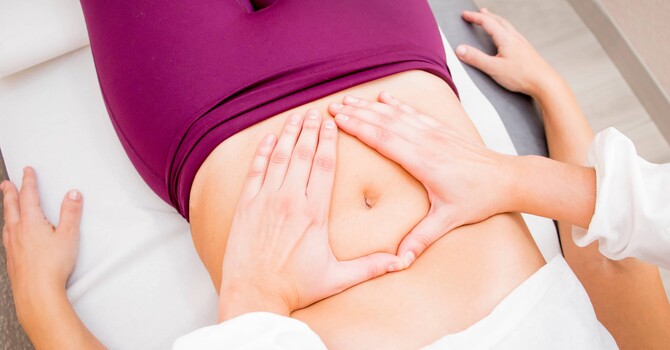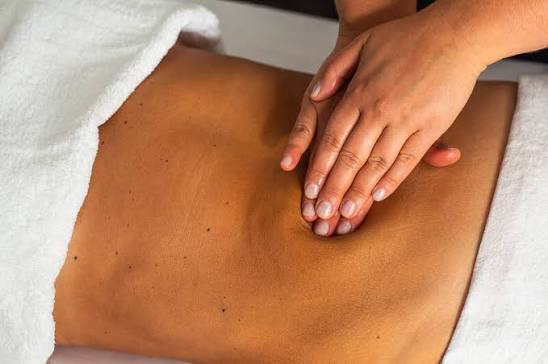
The menstrual cycle is much more than the few days of bleeding each month. Throughout the cycle, hormones rise and fall, the uterine lining changes, and the body continually adjusts to those hormonal shifts. These changes can also influence how you experience your body, including but not limited to sensations of bloating, cramping, fullness, breast tenderness, and fluid retention. The lymphatic system plays an important role in this picture. While lymphatic drainage is not a treatment for hormonal conditions or menstrual disorders, supporting healthy lymphatic flow is a valuable part of a woman's overall health. This is especially true when fluid-balance changes leave you feeling swollen. Understanding how the menstrual cycle works can help you better understand why your body may feel different from week to week and how supportive lymphatic care can fit into your wellness routine.
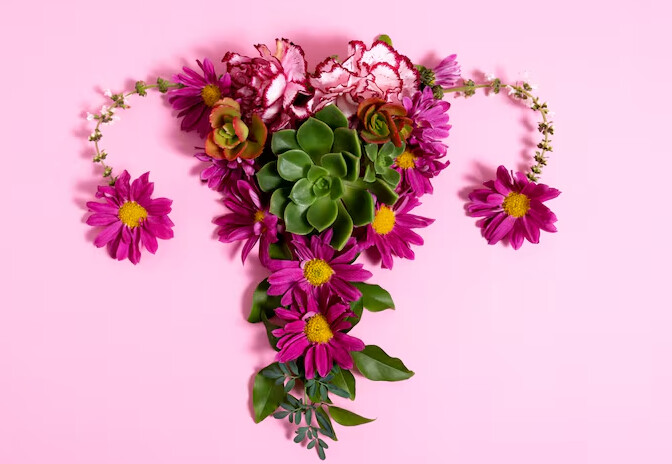
Understanding a Typical Menstrual Cycle
A menstrual cycle is counted from the first day of menstrual bleeding through the day before the next period begins. Although a 28-day cycle is often used as the example, normal cycles can vary from person to person. A typical cycle includes the follicular phase, ovulation, and the luteal phase. The cycle begins with menstruation. During this time, estrogen and progesterone are relatively low, and the uterus sheds its lining. The first day of bleeding is considered day one of the new cycle. After menstruation begins, the follicular phase continues. Follicle-stimulating hormone, or FSH, helps stimulate ovarian follicles as they develop. As the follicle matures, estrogen levels gradually rise. Estrogen also helps stimulate the rebuilding and thickening of the uterine lining in preparation for a possible pregnancy. Around the middle of the cycle, rising estrogen contributes to a surge in luteinizing hormone, or LH. This hormonal surge triggers ovulation, when the dominant ovarian follicle releases an egg. Ovulation timing varies, which is one reason menstrual cycles do not always follow an exact 28-day pattern. Following ovulation is the luteal phase. During this phase, progesterone rises as the body prepares the uterine lining for a possible pregnancy. Estrogen also remains present at moderate levels. If pregnancy does not occur, progesterone and estrogen eventually decline, triggering the next menstrual period and beginning a new cycle.
What Happens to Fluid During the Menstrual Cycle?
One reason women may feel different throughout their cycle is fluctuations in fluid balance. Research following hundreds of menstrual cycles has found that self-reported fluid retention was highest around the beginning of menstruation and lowest during the mid-follicular portion of the cycle. Another study found that body weight was higher during menstruation, largely attributable to increased extracellular water rather than changes in body composition. These findings help explain why some women notice sensations such as puffiness, abdominal fullness, or general fluid retention around certain points in their cycle. However, the relationship between reproductive hormones and fluid retention is complex, and research does not show that any one hormone alone causes these changes.
Where Does the Lymphatic System Come In?
The lymphatic system is part of the body's fluid-management and immune systems. It collects fluid from tissues and returns it to the circulation through a network of lymphatic vessels and lymph nodes. When tissues have excess interstitial fluid, the lymphatic system helps transport it away from the tissues. Manual lymphatic drainage uses specialized techniques to support lymph movement through the lymphatic system. This matters because the lymphatic system does not operate independently of the rest of the body. Fluid movement is influenced by circulation, movement, tissue pressure, and the surrounding structures. For women who notice temporary puffiness, heaviness, or swelling around their menstrual cycle, lymphatic-focused care may offer a supportive wellness option. However, it's important to distinguish supporting normal fluid movement from treating a medical condition. Lymphatic drainage should not be presented as the sole treatment for PMS, hormonal disorders, menstrual disorders, or other underlying medical conditions.
Why Might Lymphatic Drainage Feel Helpful During Your Cycle?
For general wellness, a lymphatic drainage session can offer a gentle, relaxing way to support normal fluid movement. Some clients may particularly appreciate this type of care when they feel puffier, heavier, or more uncomfortable during certain parts of their cycle. The goal is not to change the menstrual cycle or manipulate hormones. Instead, lymphatic-focused care works alongside the body's natural processes by supporting fluid movement and creating an opportunity for relaxation and body awareness.
Working With Your Cycle Instead of Against It
There is no single "best" day of the menstrual cycle for lymphatic drainage. Every woman's cycle, symptoms, and needs are different. Some women may prefer lymphatic-focused care during the days when they typically experience more puffiness. Others may simply find that gentle massage feels relaxing during menstruation or the days leading up to it. Your experience can also change from cycle to cycle. Rather than following a rigid schedule, consider paying attention to patterns in your own body. Notice when you tend to feel more swollen, heavy, uncomfortable, or fatigued and discuss those observations with your healthcare provider or qualified therapist when appropriate.
Women's Health Is Whole-Body Health
At Cohesive Therapy, we believe women's health deserves a whole-body approach. The lymphatic, circulatory, fascial, muscular, and nervous systems all contribute to how the body functions and feels. This is the philosophy behind our Women's Health Journey, which combines lymphatic drainage with specialized treatments focused on areas such as pelvic and breast health. The goal is to create a progressive, personalized experience. Our Pelvic Health Now and Breast Health Now sessions are also part of this approach, providing targeted, lymphatic-focused care for the pelvic area, lower abdomen, and breast tissue.
Listen to Your Body
Your menstrual cycle provides an ongoing rhythm of hormonal and physical changes. Learning to recognize those changes can help you better understand your own patterns and make more informed decisions about your wellness. If you notice certain points in your cycle are associated with fluid retention, a personalized lymphatic drainage session may be a supportive addition to your self-care routine. Lymphatic drainage is not a replacement for medical care, diagnosis, or treatment of menstrual or pelvic health conditions. If you experience significant pain, abnormal bleeding, persistent swelling, or other concerning symptoms, speak with an appropriate healthcare professional.
Ready to Give Your Body More Support?
This fall, we are prioritizing women's health at Cohesive Therapy. Whether you are interested in a focused lymphatic drainage session or want to explore a more comprehensive approach, we can help you find the option that best fits your wellness goals. Schedule a lymphatic drainage visit and give your body intentional, personalized care, or learn more about our Women's Health Journey and how our progressive approach can support your overall wellness.
Explore the Women's Health Journey
Week 1 | Lymphatic Drainage + Breast Wellness | Gentle lymphatic work focused on the breast and upper body to support lymphatic flow, circulation, fluid balance, and comfortable tissue mobility.
Week 2 | Lymphatic Drainage + Myofascial Release | 60 Minutes. A combination of lymphatic drainage and targeted myofascial techniques to help reduce muscle tension, improve mobility, support circulation, and promote relaxation.
Week 3 | Lymphatic Drainage + Pelvic Wellness | Gentle lymphatic and awareness-based bodywork focused on the pelvic and lower abdominal region to support healthy lymphatic flow, circulation, pelvic relaxation, and core awareness.
Sources and Further Reading
https://lymphatictherapyservices.com/lymphatic-drainage-massage-for-period-
relief/https://www.samestarswellness.com/blog//manual-lymphatic-drainage-period-pain-
reliefhttps://pmc.ncbi.nlm.nih.gov/articles/PMC3093183/
The menstrual cycle information in this article is based primarily on medical references from the National Center for Biotechnology Information, including StatPearls reviews of menstrual physiology and endocrine hormones.
Research on menstrual-cycle-related fluid retention includes a prospective study published in ISRN Obstetrics and Gynecology examining fluid-retention patterns across 765 menstrual cycles. Research on changes in body weight and extracellular water during the menstrual cycle was published in the American Journal of Human Biology.
Evidence regarding manual lymphatic drainage was reviewed in systematic reviews published in Journal of Cancer Survivorship and Quality of Life Research. These reviews emphasize that evidence varies by condition and that MLD should be understood within the context of the specific condition being treated.

Geppina Scrigna
Contact Me
.jpg)