

While BRCA mutations are often associated with breast cancer, these genes play an important role in the body long before cancer ever develops. Understanding what BRCA genes do, who may be affected, and what testing options are available can help individuals make informed decisions about their health.
What Is the BRCA Gene?
Genes are small sections of DNA that contain the instructions that determine many of our inherited traits. Every person inherits two copies of each gene, one from each parent. This means any genetic trait has a 50% chance of being passed on to a child.“BRCA” stands for “Breast Cancer gene”. There are two BRCA genes: BRCA1 and BRCA2. Despite their names, these genes do not cause cancer. Their primary job is to help prevent it. When functioning properly, BRCA genes produce proteins that repair damaged DNA and suppress abnormal cell growth. These genes play a critical role in protecting the body against certain cancers.
What Is BRCA1?
The BRCA1 gene produces a protein that acts as a tumor suppressor. This protein helps regulate how cells grow and divide, preventing them from multiplying too quickly or uncontrollably. BRCA1 is also heavily involved in repairing damaged DNA.
What Is BRCA2?
Like BRCA1, the BRCA2 gene produces a tumor-suppressing protein that helps repair DNA and regulate cell growth. Researchers believe BRCA2 may also assist in an important step of cell division, helping cells reproduce accurately and safely.
What Are BRCA Mutations?
Everyone has BRCA1 and BRCA2 genes. A BRCA mutation occurs when the DNA sequence within one of these genes becomes altered or damaged. When a BRCA gene is mutated, it may no longer effectively repair DNA or suppress tumor growth. As a result, individuals with BRCA mutations face a higher risk of developing certain cancers. BRCA mutations have been linked to: Breast cancer, Ovarian cancer, Prostate cancer, Pancreatic cancer, Male breast cancer
Understanding the Risks
While having a BRCA mutation does not guarantee that someone will develop cancer, it does increase their lifetime risk.
Women with BRCA mutations are at an increased risk of:
Breast cancer
Ovarian cancer, Triple-negative breast cancer
Breast cancer recurrence
Men with BRCA mutations may have a greater risk of:
Prostate cancer
Male breast cancer
Pancreatic cancer
The good news is that advances in screening, genetic counseling, and treatment have dramatically improved outcomes. Early detection remains one of the most effective tools in successfully identifying and treating cancer. How Is BRCA Testing Performed?If you have a family history of breast, ovarian, pancreatic, or prostate cancer, your healthcare provider may recommend genetic testing. Testing is simple and typically involves:
Meeting with your healthcare provider or a genetic counselor
Providing a blood or saliva sample
Sending the sample to a laboratory for analysis
Reviewing the results with your healthcare team
If a BRCA mutation is identified, a genetic counselor can help determine the next steps for both you and your family members. Because BRCA mutations are inherited, relatives may also consider testing to better understand their own risks.
Preventative Options for BRCA
Individuals who test positive for a BRCA mutation have several options available to help reduce their risk of developing cancer. Treatment and prevention plans are highly individualized and should be discussed with a healthcare provider. These decisions are deeply personal and should be made with guidance from a qualified medical team.Potential preventative strategies include:
Enhanced screening and monitoring
Hormonal therapies
Preventative surgery: Bilateral mastectomy, Oophorectomy, Salpingectomy, Hysterectomy
Why the Lymphatic System Matters After Mastectomy
For individuals carrying a BRCA1 or BRCA2 mutation, the decision to undergo a preventative or medically necessary mastectomy can be life-changing. While much of the conversation centers around cancer risk reduction and surgical planning, the lymphatic system is often overlooked. This network of vessels, lymph nodes, and tissues plays a critical role in maintaining fluid balance and removing cellular waste. During breast surgery, lymphatic pathways may be disrupted. As a result, some patients experience swelling, tightness, reduced range of motion, or changes in sensation during recovery. Understanding the role of the lymphatic system can help patients better prepare for the healing process and advocate for comprehensive post-operative support.
Breast Reconstruction and Lymphatic Health
Whether reconstruction is performed immediately or later on, the body undergoes significant changes as tissues heal. Swelling, inflammation, scar tissue development, and temporary restrictions in mobility are common during recovery. Because the lymphatic system moves excess fluid away from tissues, supporting lymphatic function can be an important consideration after surgery. Gentle movement, post-operative exercises, and provider-directed therapies help to encourage comfort throughout the recovery period. A multidisciplinary approach that includes surgical care, rehabilitation, and lymphatic support can help patients feel more confident as they navigate the weeks and months following reconstruction.
Lymphatic Drainage After Preventative Surgery
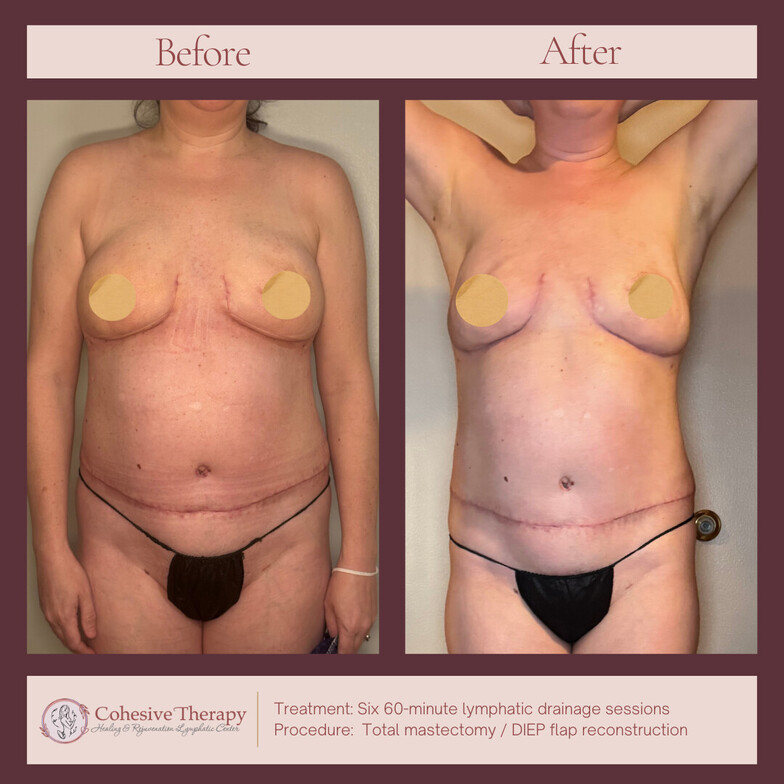
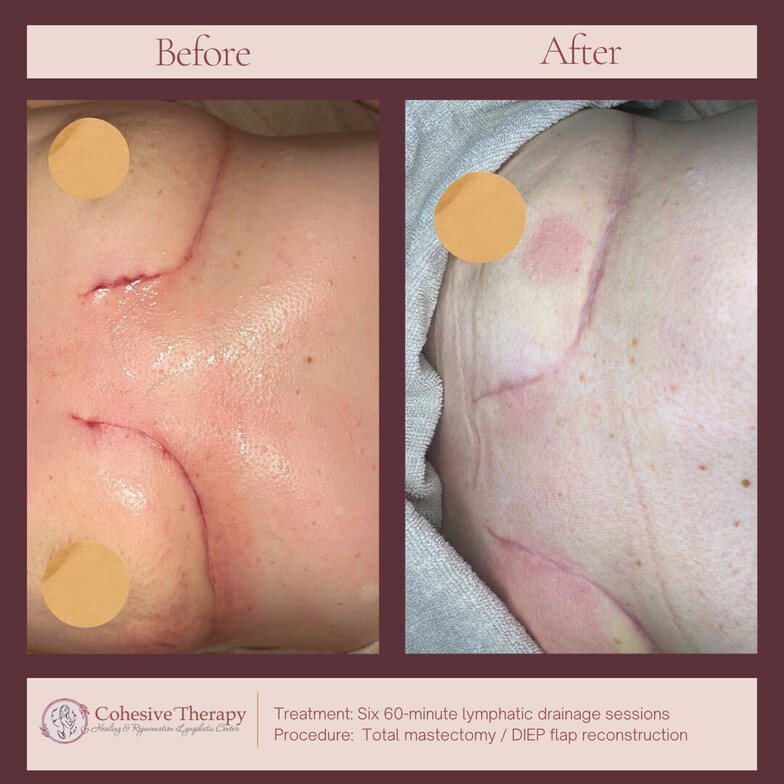
When recommended and performed by a qualified provider, manual lymphatic drainage is a gentle technique that supports the body's natural movement of lymphatic fluid. Patients report improvements in post-operative swelling, feelings of heaviness, scar tissue mobility, and overall comfort during their recovery. While every surgical experience is unique, incorporating lymphatic health into the conversation reinforces an important message: healing extends beyond the operating room. Always obtain direct approval from your surgeon or oncologist before starting any form of massage.
Resources
It is completely normal to have questions or concerns about BRCA testing. Genetic information can affect not only your healthcare decisions but those of your family as well. https://www.bebrcaware.com/resources/talking-to-your-doctor
Citations
"Be BRCA Aware." Be BRCA Aware, AstraZeneca, www.bebrcaware.com/
"What Is BRCA?" National Breast Cancer Foundation, National Breast Cancer Foundation, Inc., www.nationalbreastcancer.org/what-is-brca/
Gepina Caterina
Contact Me
.jpg)
