Why Lymphatic Drainage Matters
Your Healing Begins With Your Lymphatic System
Plastic surgery places significant demands on the body's healing systems. Swelling, fluid retention, tissue congestion, bruising, and scar tissue formation are all normal parts of recovery, but they don't have to define your healing experience. Lymphatic drainage supports the body's natural ability to move fluid, reduce congestion, and promote healthy tissue repair. When incorporated throughout recovery, lymphatic care may help minimize discomfort, improve mobility, support scar tissue remodeling, and encourage more efficient healing. Our treatments evolve alongside your body's changing needs, providing support from the earliest stages of healing through long-term tissue restoration.
Our Three-Phase Recovery Process
Immediately following surgery, the body's priority is healing. During this phase, our focus is on gentle lymphatic drainage techniques designed to support fluid movement and reduce tissue congestion.
Treatment goals include:
- Reducing post-surgical swelling and edema
- Supporting healthy lymphatic flow
- Encouraging circulation and tissue nourishment
- Improving comfort and mobility during recovery
- Preparing tissues for the next phase of healing
Every recovery timeline is unique. Treatment recommendations are always individualized based on your procedure and surgeon's instructions.
As swelling begins to improve, healing enters a more dynamic stage. During this phase, we begin addressing tissue mobility, fascial restrictions, and areas of firmness or fibrosis that commonly develop during recovery.
Treatment goals include:
- Supporting healthy scar tissue formation
- Improving tissue mobility and elasticity
- Addressing fibrosis and areas of congestion
- Restoring comfort and range of motion
- Encouraging healthy tissue remodeling
This phase may incorporate multiple therapeutic modalities to address your body's changing needs as healing progresses.
Healing doesn't stop when the swelling subsides. Long-term outcomes are influenced by how well tissues move, function, and communicate with the lymphatic system.
Our final phase focuses on restoring:
- Healthy lymphatic circulation
- Functional movement patterns
- Postural alignment
- Tissue mobility and resilience
- Sustainable self-care practices
Our goal is to help you feel confident returning to daily life while supporting long-term results from your procedure.
See Real Client Results
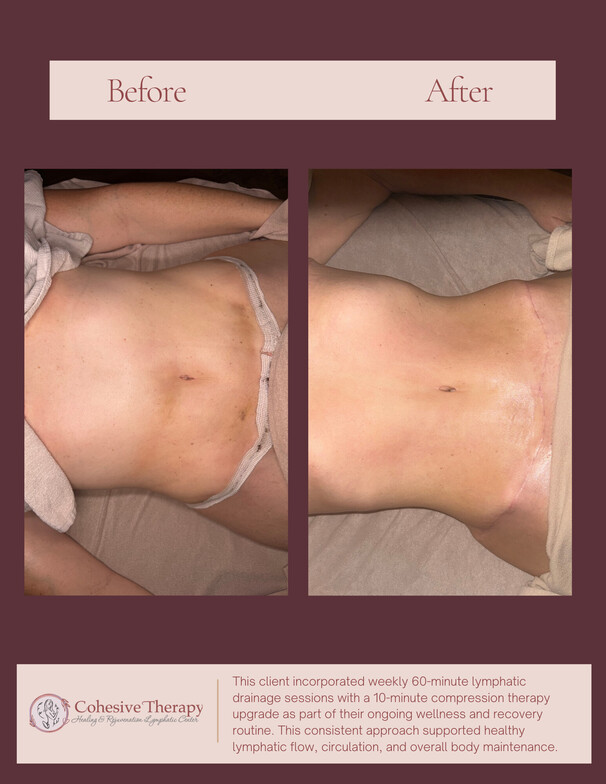
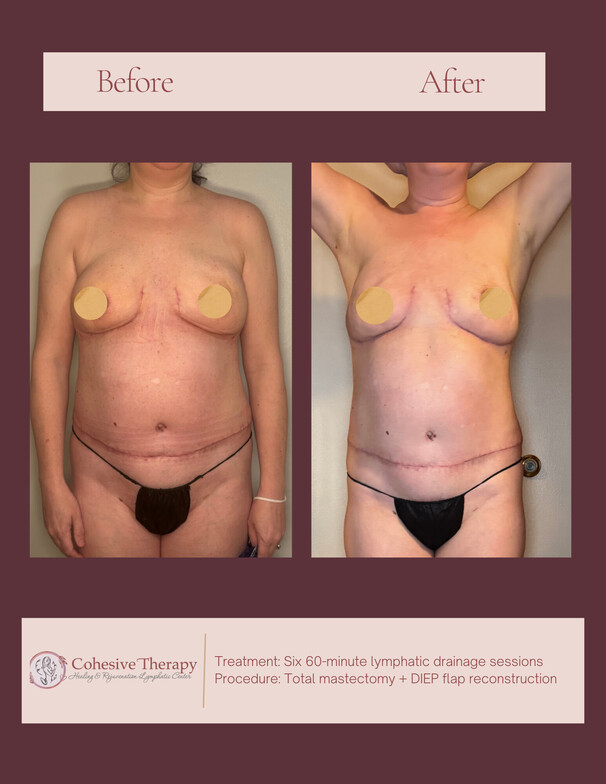
Healing looks different for every client. Our gallery highlights the progress that can occur when the body is supported through each phase of recovery.
.jpg)
.jpg)
Stephanie's Story
Hear Stephanie's personal healing journey with Cohesive Therapy. From the early stages of post-operative recovery to renewed comfort and confidence, discover how personalized lymphatic care supported their body's natural healing process at every step. Surgeon: Dr. Allen Gabriel ~ AG Aesthetic Center
Megan's Story
Every recovery journey is unique. Hear how Megan navigated swelling, healing, and restoration with the support of our personalized post-operative lymphatic care program. Their story is a testament to the power of thoughtful, comprehensive recovery. Surgeon: Dr. Aric Aghayan ~ Apres Plastic Surgery
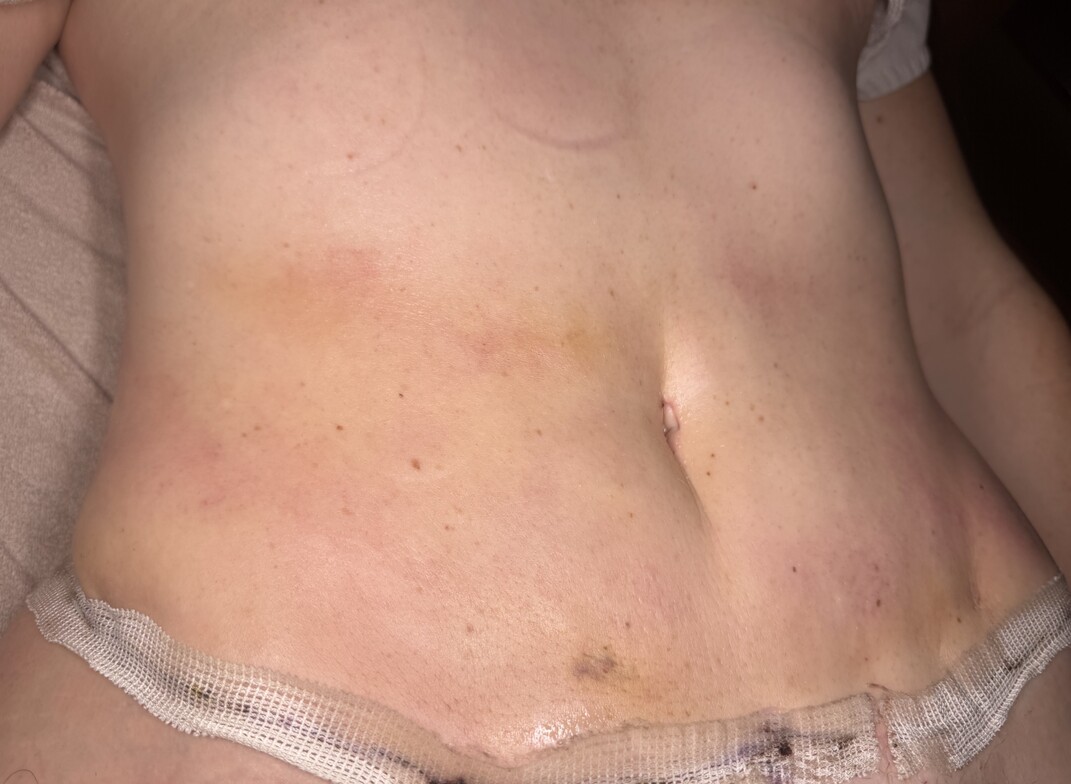
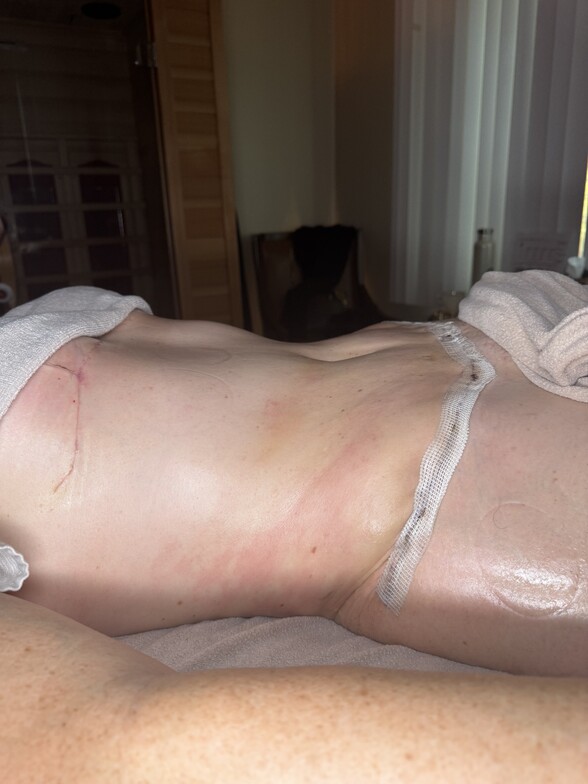
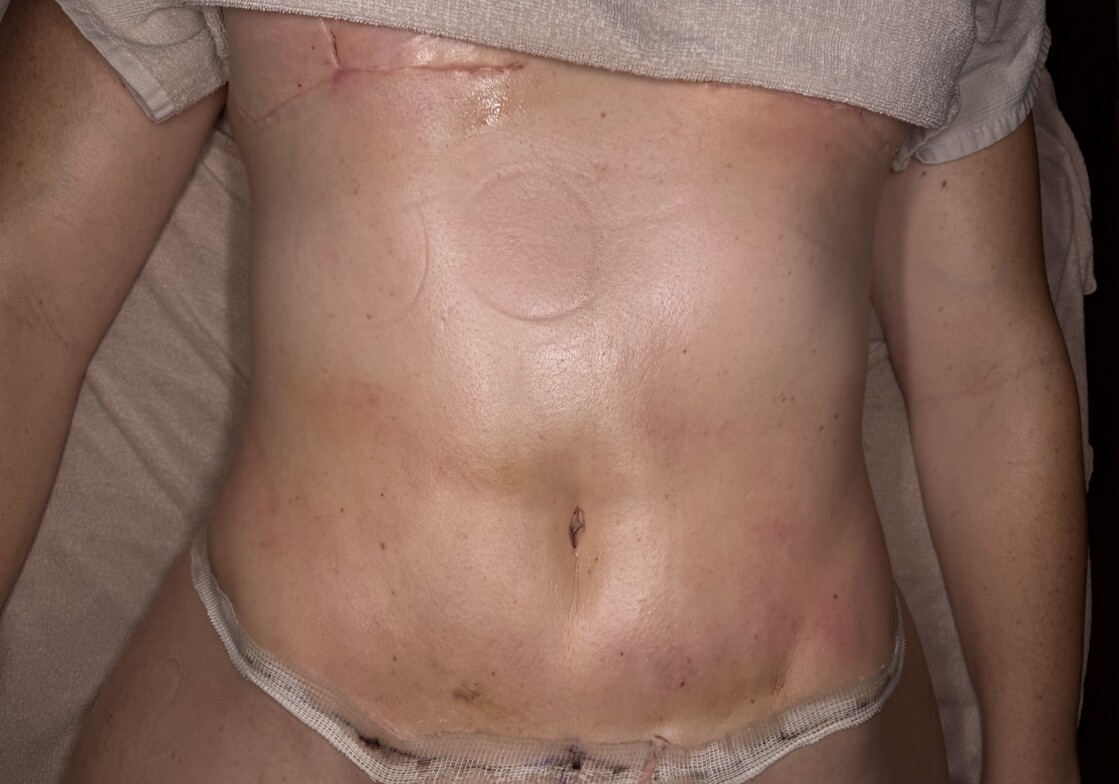
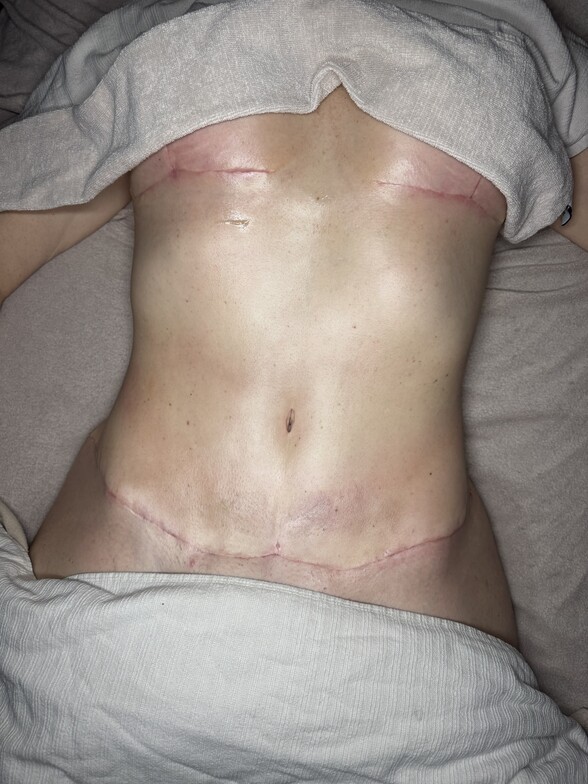
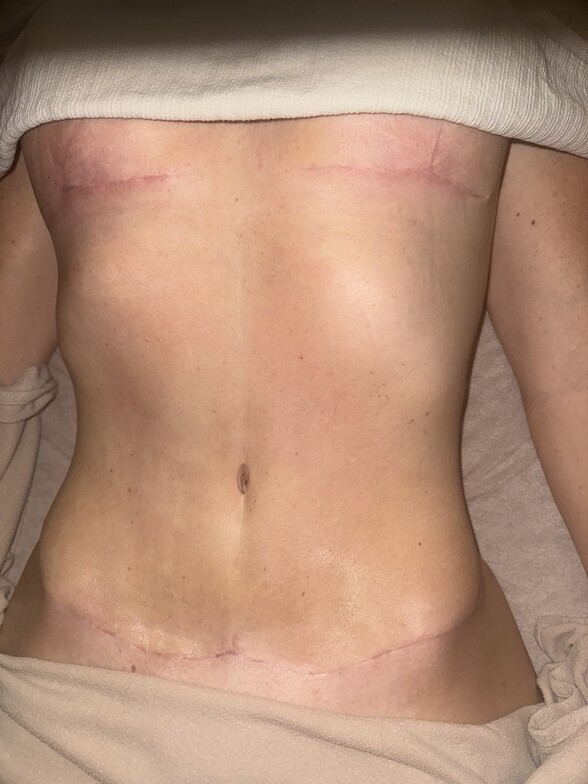
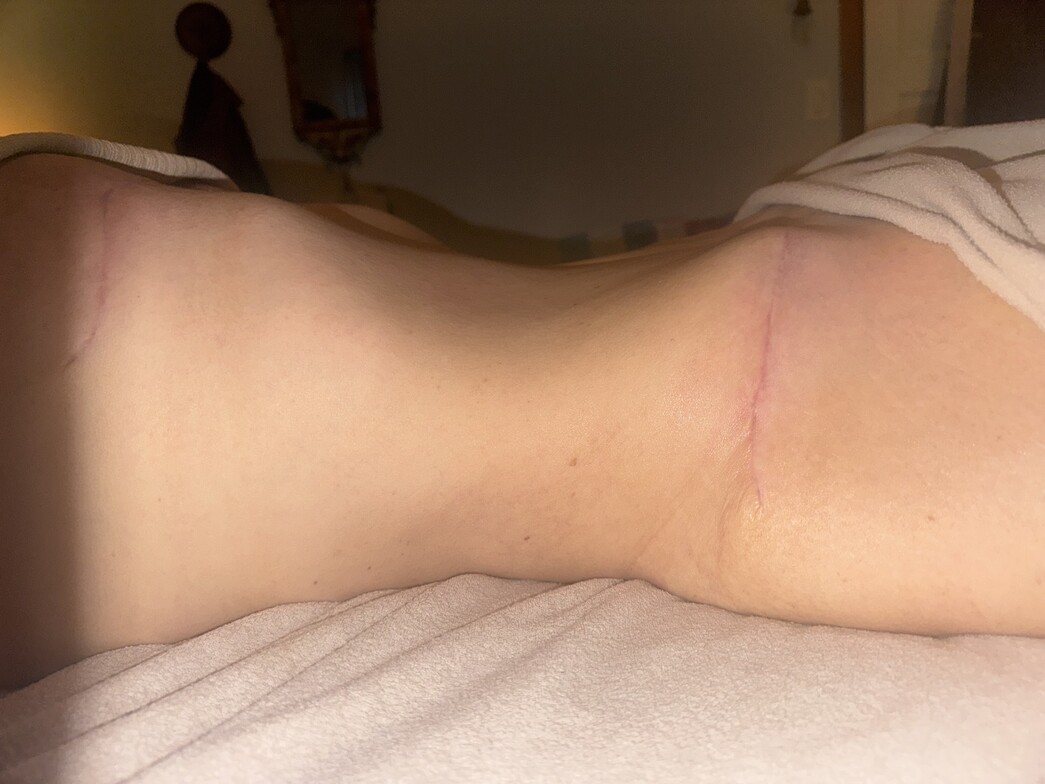
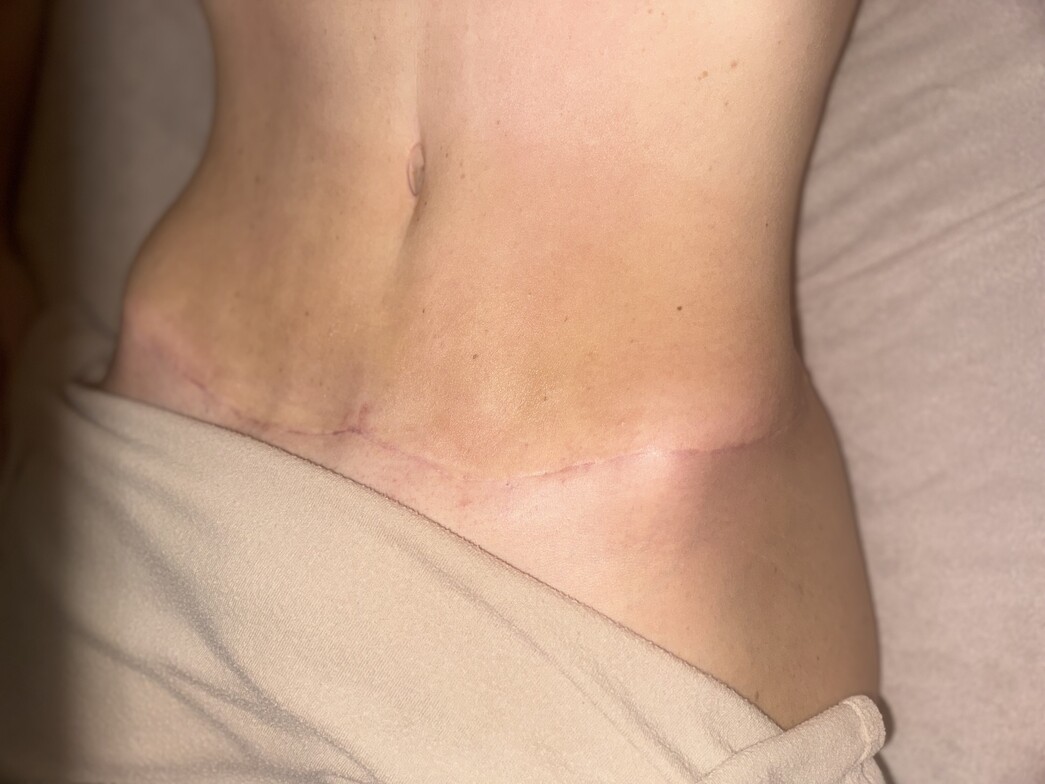
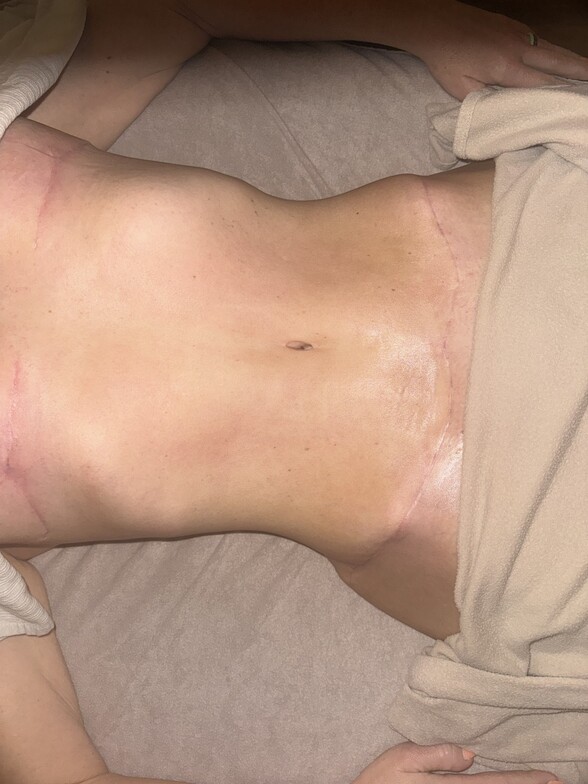
Megan's Recovery Gallery
Follow Megan's healing journey through each stage of recovery. These photos document her post-operative progress while receiving personalized lymphatic care at Cohesive Therapy. Every body heals differently, and individual results will vary.
Testimonials

I recommend Cohesive Therapy all the time. I did a series package for lymphatic drainage massage for post-surgical recovery as recommended by my surgeon. Every 2 weeks I'd come in and was met with kindness, and rotating therapists which I enjoyed for the unique therapeutic styles they each have. The first session I noticed a lot of excess fluid being eliminated (be near a bathroom after!).
By the 3rd session I noticed my muscles relaxing, and the surgical scar tissue softening. By my 6th session all my swelling was gone, I had full range of motion and was sleeping so well. I felt fully recovered much faster thanks to my sessions here. Everyone who can should try at least 3 sessions, and track your before/after progress. Even for non-surgical needs, lymphatic drainage is good for almost everyone. It's a healthy way to open up your detox pathways and help your body eliminate toxins.

I had the best experience with Gepina. She gave me a pre-surgery lymphatic massage. It was my first time and she really helped walk me through the process. I had no idea how important this type of massage was. I look forward to continuing post surgery lymphatic massages and beyond. The benefits of a lymphatic massage for our bodies health is truly incredible. Book your appointment and you won’t regret it! Gepina’s Lymphatic Massage treatment at Cohesive Therapy truly is the key to a more speedy recovery. I highly recommend visiting them if you have an upcoming procedure or you are looking for an overall reset for health. They have a variety of journey’s that will fit your needs. Bonus- they take HSA! Gepina and her staff came highly recommended by my surgeon at Aprés Plastic Surgery and by some friends who have used their services. I have not been disappointed and neither will you!

FABULOUS staff that hear my needs following a bilateral mastectomy with lymphedema. I’m gaining more flexibility and strength in my arm with each weekly visit.
FAQ
After surgery, the body naturally responds with inflammation, swelling, and tissue changes. Lymphatic drainage helps support fluid movement, reduce congestion, improve tissue mobility, and promote a more comfortable recovery process.
The timing of lymphatic drainage depends on your procedure, healing progress, and surgeon's recommendations. Many clients begin shortly after surgery with gentle techniques, while others may need to wait longer based on individual circumstances. Always follow your surgeon's post-operative instructions before beginning treatment.
The number of sessions varies based on your procedure and how your body is healing. Some clients benefit from a short series of treatments, while others choose continued support throughout the recovery process. Your practitioner will help create a personalized treatment plan based on your needs.
Our approach goes beyond reducing swelling. We follow a progressive healing model focused on lymphatic decongestion, tissue remodeling, and movement integration. Each treatment evolves with your body's changing needs throughout recovery.
Fibrosis is the medical term for the excessive thickening, hardening, or scarring of tissue caused by the overgrowth of connective tissue (primarily collagen). It is the result of the body's natural wound-healing process malfunctioning or going into overdrive in response to chronic injury or long-term inflammation.
Cording post-surgery, medically known as Axillary Web Syndrome (AWS), is a common complication that frequently occurs after breast cancer surgery, particularly when lymph nodes are removed from the underarm (axilla). It creates tight, rope-like bands of scar tissue under the skin that restrict arm movement and cause pain.
